
Fitness and injury prevention in golf

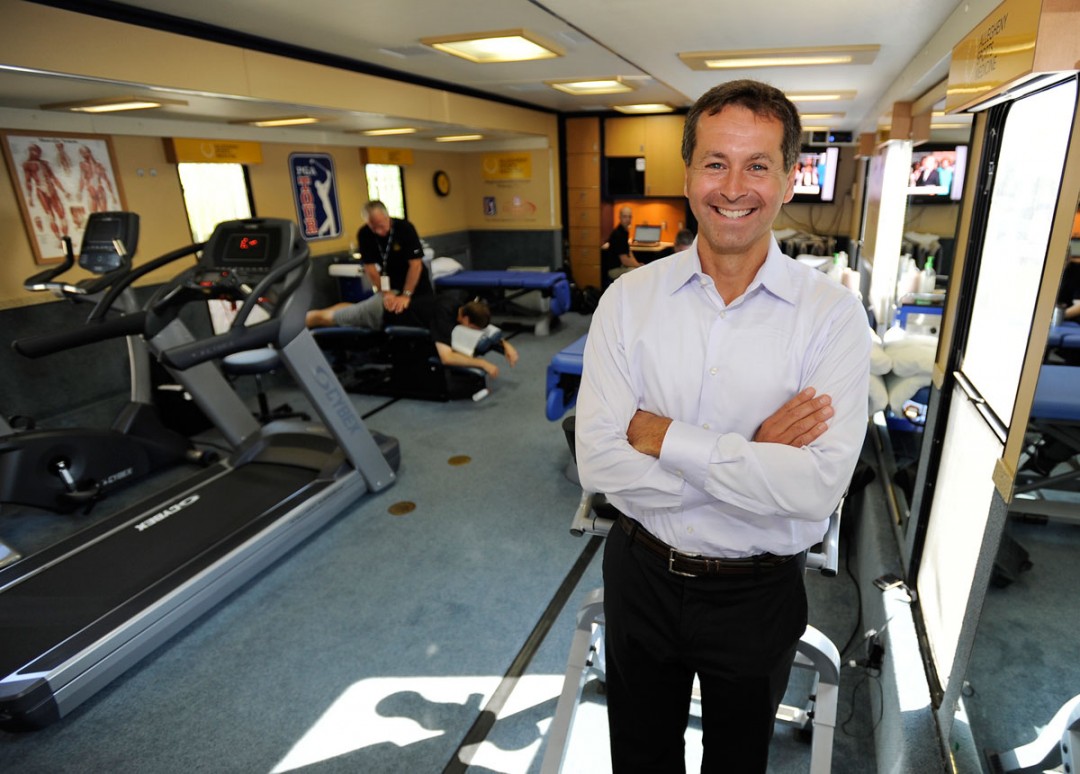
Avoiding injury and keeping fit and healthy is essential for both professional and amateur golfers. Dr Thomas Hospel, PGA TOUR Medical Director, provides expert advice on how to prevent and treat injuries. How much has the growing awareness of fitness affected PGA TOUR players and the golf they play? They’ve realized that the prevention of injury and the performance on the course is strongly influenced by their level of fitness. The development of muscle endurance and motor control will help provide stability across the moving joints. This stability coupled with proper swing mechanics will enable a professional athlete to withstand the high demands placed on the body. In addition, clubhead speed is generated by strong, elastic muscles articulating with flexible joints. In the facilities available on TOUR, is the focus more on prevention of injuries or treatment? The facilities include state-of-the-art equipment, training aides, exercise environment and professional training staff. This is available to the athlete from two hours prior to the first tee time until dark. The majority of the field each week takes advantage of these opportunities to work on preventing injuries and enhancing their performance through stretching, soft tissue work, endurance, nutrition and strength training. If a TOUR golfer is injured, he has access to athletic trainers, physical therapists, chiropractors, primary care physicians and orthopedists. The dedicated staff help provide onsite treatment to allow the golfer to continue to play or provide them advice when it is best to stop play in favor of rest and rehabilitation. What are the most common injuries seen among TOUR players? Spinal injuries are the most common injuries, most often the lower back followed closely by the cervical spine. I believe that this is inherent of the mechanics of the golf swing and the stress it places across the body. We are actively involved in developing strategies to prevent these injuries and using the most advanced techniques to treat them when they occur. For someone who has never seen the inside of the traveling fitness/treatment facility, what might surprise them in terms of sophisticated equipment or treatments available to TOUR players? Within our mobile centers you will have the feeling of walking into a professional office setting. The interaction of physical therapists, chiropractors, athletic trainers and other staff members all working in unison to provide comprehensive care to the professional golfers is impressive. The healthcare providers have, at their disposal, all of the modern treatment modalities, machines, devices and technologies that you would find in the best outfitted rehabilitation centers across the country. In addition, we have the capabilities of providing musculoskeletal ultrasound imaging to those who have had an acute injury or have concerns over lingering pain. This onsite imaging capabilities are reviewed by a world renowned musculoskeletal radiologist simultaneously to provide the golfer with immediate feedback on the degree of injury. The capability of providing immediate imaging results allows the golfer and treating professionals to make appropriate decisions on safe return to play and rehabilitation strategies. What is it about the body and the golf swing that make the lower back an injury prone area? The golf swing involves a coordination of multiple moving joints all with different strength and movement capabilities. The degree of stress across the low back is indirectly influenced by the ability of the other involved joints to move freely and without inhibition. The type of swing that the golfer choses also influences the degree of stress placed across the lumbar spine. How can elite and recreational golfers alike avoid or minimize back problems or injuries? It is extremely important to consider the role of the other joints when considering prevention strategies for minimizing injury potential to the low back. The elite and recreational golfer should attempt to evaluate overall joint mobility and strength of the all of the joints involved in the swing. In addition to considering core strength and flexibility, the golfer should develop strategies to consider a program that develops flexibility and strength across the hips, shoulders, thorax, neck, chest and legs. Is there an average for how many times a week a player visits the mobile fitness facility? The player performance center sees 75 percent of the field each week. This includes stretching, workouts, soft-tissue work and treatments. The number of golfers visiting the fitness facility increases each year, with the players having become very interested in following customized plans to prevent injury and improve performance. What percentage of TOUR players utilize personal trainers? I would estimate 80 to 90 percent. The personal trainers will perform a full evaluation of the golfer at the beginning of the season. This evaluation will examine the flexibility and strength across each joint. The process will also quantify functional movement of the joints and muscles as it relates to the golf swing. The personal trainer will often work with the golfer’s swing instructor to determine an optimal program, developing a program that coincides with the golfer’s tournament schedule. How athletic is the current generation of TOUR golfers? It’s become a more athletic population over the last 20 years. I had the opportunity to be a volunteer physician at Tiger Woods’ first event as a pro, the 1996 Greater Milwaukee Open. Tiger’s success and his dedication to fitness have inspired a new wave of golfers who are entering their prime on the TOUR. Today’s golfers are athletes who could have competed in other sports. This athleticism is helping them play some exciting golf. What’s the next frontier regarding golf fitness and injury prevention/treatment? I believe it will come from a collaboration of technology, training, rehabilitation and medicine. Wearable technology to evaluate individual joint movement, analytics and physiologic requirements will help us better understand the demands of golf. This will help us develop prevention, performance and treatment paradigms to provide improved evidence-based scientific programs.

Upcoming Tournaments

Top Player Profiles


